Understanding Your Baby Sleep Needs
how to dress your baby for sleep dressing your baby appropriately for sleep is vital to their growth and development, impacting both physical and cognitive progress. Infants need a considerable amount of rest to support their rapidly developing bodies and minds, with newborns typically requiring around 14 to 17 hours of sleep each day. As they mature, their sleep requirements change; by the age of one, they generally need about 12 to 16 hours of slumber, which includes nighttime sleep as well as daytime naps. Sufficient sleep contributes to emotional regulation, memory consolidation, and overall health, making it important for parents to focus on creating a suitable sleeping environment for their little ones.
The comfort of a baby during sleep is greatly affected by various factors, including the clothing they wear. Sleepwear should be breathable and soft to provide a conducive sleeping atmosphere. Fabrics such as cotton are preferred, as they regulate temperature effectively and help prevent overheating, a critical concern in infant sleep safety. A baby’s clothing should allow for ease of movement while ensuring they are snug. This snugness can eliminate excessive wear and tear caused by tossing and turning during sleep.
Recognizing signs that indicate your baby is ready for sleep can further aid in establishing a consistent bedtime routine. Common signals include rubbing their eyes, yawning, or becoming fidgety. A calm environment combined with proper sleep attire can facilitate a smoother transition to sleep. Parents should pay attention to their baby’s cues and ensure that the clothing is adjusted for any changes in the room temperature to enhance their comfort and increase the likelihood of a restful night. By understanding and addressing these needs, caregivers can support their little ones in achieving quality sleep, contributing to a healthy and happy early life.
How to Dress Your Baby for Sleep
The selection of fabric for baby sleepwear plays a vital role in ensuring a comfortable and restful sleep environment for infants. A range of materials is available on the market, with each offering distinct advantages and disadvantages. Among the most popular options are cotton, polyester, and wool.
Cotton is often regarded as the gold standard for baby sleepwear due to its breathable and soft nature. This natural fiber allows for adequate air circulation, preventing overheating during warm nights. Additionally, cotton is gentle on delicate skin and hypoallergenic, making it an excellent choice for babies with sensitive skin. However, some cotton fabrics may require careful washing and care to maintain their softness and prevent shrinking.
On the other hand, polyester is a synthetic fabric that presents an appealing alternative to cotton. It tends to be more durable and resistant to wrinkles and fading, making it easier for busy parents to maintain. Polyester also has moisture-wicking properties, which can help keep your baby dry and comfortable throughout the night. However, it may not be as breathable as cotton, potentially leading to increased heat retention, especially in warmer weather.
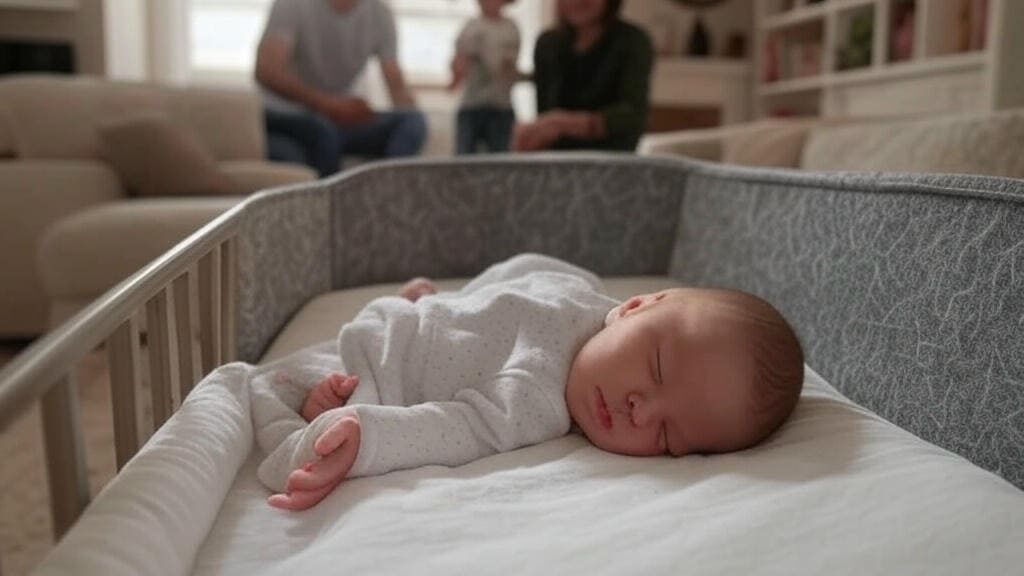
Wool is another option worth considering, particularly merino wool, which is known for its lightweight and moisture-regulating properties. It can help maintain a stable body temperature, keeping babies warm in cooler conditions and cool when it is warmer. However, wool can sometimes be itchy for sensitive skin and may require special care when laundering.
Ultimately, selecting the appropriate fabric for your baby’s sleep attire requires careful consideration of these factors. Prioritizing breathability and softness will help ensure a comfortable sleep environment for your child. Parents are encouraged to assess their baby’s needs, considering the climate and personal sensitivities when choosing sleepwear materials.
Layering for Comfort: What You Need to Know
Dressing a baby for sleep involves careful consideration of layering, which plays a crucial role in regulating their body temperature and ensuring comfort throughout the night. The concept of layering allows parents to adapt to changing climatic conditions while meeting their baby’s unique needs. When selecting layers, three primary components should be considered: base layers, mid-layers, and outer layers.
The base layer is the first line of defense against the cold and should be made of breathable materials like cotton or bamboo. These fabrics wick away moisture, providing a comfortable environment without overheating. Look for sleep sacks or onesies that fit snugly without being restrictive, ensuring your baby’s comfort during sleep. A light cotton onesie can work well in warm weather, while a long-sleeve option may be necessary for cooler nights.
Mid-layers come into play when the temperature drops. These layers include lightweight sleep bags or thicker pajamas, designed to provide additional warmth. Selecting mid-layers that are easy to remove or adjust allows for quick alterations based on your baby’s comfort and thermostat readings in the room. When the temperature is significantly lower, consider opting for fleece or wool materials that provide heat retention without bulk.
The outer layer serves as an additional barrier against cold, especially if your baby sleeps in a room that may have drafts. A breathable blanket can effectively serve this purpose, but it is essential to ensure it does not pose a suffocation risk. As a rule of thumb, always check the room temperature and feel your baby’s neck or back to ensure that they are neither too warm nor too cold. Being attentive to their comfort will allow for the right balance of layers, contributing positively to their sleep quality.
Sleep Sacks vs. Traditional Pajamas
When it comes to dressing a baby for sleep, parents often find themselves choosing between sleep sacks and traditional pajamas. Each option offers distinct benefits, and understanding these can help ensure a safe and comfortable sleep environment for infants.
Sleep sacks, also known as wearable blankets, are designed to provide warmth and security without the risk of loose bedding. They come in various materials and thicknesses, making them suitable for different seasons. One of their primary advantages is that they eliminate the likelihood of babies becoming entangled in blankets, which can pose a suffocation hazard. Furthermore, sleep sacks allow for freedom of movement while keeping the baby’s arms and legs warm, catering to their natural tendency to wiggle during sleep. Many parents find that sleep sacks help establish a calming bedtime routine, as they signal to the baby that it is time to sleep.

On the other hand, traditional pajamas offer a more familiar style of clothing that many parents may prefer. These come in various fabrics, such as cotton or fleece, providing options that suit different climates and levels of warmth. Pajamas typically include footed styles for added warmth or options with open feet for versatility. However, parents must ensure that traditional pajamas fit snugly, as loose clothing can pose a safety risk when babies roll over or shift during the night. Part of the appeal of pajamas is the stylish designs available, which allow parents to express their baby’s personality through their attire.
Ultimately, the choice between sleep sacks and traditional pajamas depends on various factors, including the baby’s sleep habits, safety considerations, and personal preferences. Each option has its strengths, making it essential for parents to weigh these factors closely when selecting sleepwear for their little one.
Safety Considerations When Dressing Baby for Sleep
When dressing your baby for sleep, adhering to specific safety guidelines is paramount in ensuring a secure sleeping environment. One of the primary concerns is to avoid loose clothing, which can create hazards during sleep. Loose fabric may inadvertently cover the baby’s face, leading to breathing difficulties. Instead, opt for sleepwear designed to fit snugly; garments like sleep sacks or fitted pajamas are ideal as they stay close to the body while facilitating movement without excess material.
Equally important is the selection of fabrics used in baby sleepwear. Parents should prioritize breathable materials, such as cotton, that allow for proper airflow and temperature regulation. Avoid synthetic fabrics, which can trap heat and increase the risk of overheating, a known risk factor for Sudden Infant Death Syndrome (SIDS). Additionally, it is prudent to sidestep any fabrics that could cause allergic reactions, such as those treated with harsh chemicals or containing potential allergens. Always check labels for safety certifications and opt for organic textiles when possible to offer a gentle alternative for your baby’s delicate skin.
Moreover, consider the baby’s sleep environment. Ensure the crib or sleep space is free from any loose items, including blankets, toys, or pillows, as these can create suffocation hazards. When dressing your baby, keep their environment at a comfortable temperature. An ideal room temperature is generally between 68°F and 72°F (20°C to 22°C) for optimal sleep safety. Use light layers, which can be adjusted if the room temperature fluctuates. Remember, the safest sleep environment is one that minimizes risks while promoting comfort, thereby contributing to reduced incidences of SIDS.
Seasonal Dressing: Adapting to the Weather
When it comes to dressing your baby for sleep, understanding the impact of seasonal changes on their comfort is paramount. Each season brings unique challenges that require thoughtful adjustments in sleepwear to ensure your baby feels safe and cozy throughout the night. In winter, it is essential to keep your baby warm while avoiding excessive overheating. Opt for sleeper bags or sleep suits made from soft, breathable fabrics designed to provide insulation without trapping heat. Layering is another effective strategy; consider using a long-sleeved bodysuit under a thick, warm sleepsack to offer additional warmth while keeping your baby comfortable.
Conversely, during the hot summer months, it is crucial to prioritize breathability and comfort in your baby’s sleepwear. Lightweight cotton pajamas are ideal as they allow for air circulation, reducing the risk of overheating. Additionally, placing your baby to sleep in a cool room and using light muslin swaddles can help maintain a comfortable temperature. Always monitor your baby’s temperature by feeling their neck or back, ensuring they are neither too hot nor too cold.
Transitional seasons, such as spring and autumn, may require a more flexible approach. As temperatures fluctuate, layering becomes a valuable method for adjusting your baby’s attire. Start with a short-sleeved onesie as a base layer and add a light cardigan or sweater if the temperature drops in the evening. Furthermore, ensuring that your baby’s sleeping environment is conducive to maintaining a comfortable temperature, regardless of external changes, remains key to promoting restful sleep.
Ultimately, being attentive to the specifics of seasonal dressing for sleep can help ensure that your baby remains comfortable and secure year-round. Adaptations in sleepwear according to the weather are essential for fostering a peaceful sleep environment, promoting both comfort and safety.
Establishing a Bedtime Routine
Creating a consistent bedtime routine is crucial for helping babies transition smoothly from wakefulness to sleep. This routine not only assists in signaling to your child that it is time for sleep but also incorporates essential activities that promote relaxation. One of the fundamental elements in establishing this routine is dressing your baby appropriately for bed. Clothing changes can serve as a cue that it is time to wind down and prepare for sleep.
Begin the routine about 30 minutes before your baby’s scheduled sleep time. This can include activities such as dimming the lights, playing soft music, or reading a gentle bedtime story. As you engage in these calming practices, gently changing your baby’s outfit into suitable sleepwear can enhance the association between clothing and restful sleep. Choose soft, breathable fabrics for sleepwear that will not irritate the baby’s skin and allow for comfortable movement.
Incorporating a warm bath can also be an effective component of the bedtime routine. Bathing not only cleanses but also has a soothing effect that can help signal to your baby that it is time to relax. After the bath, gently dressing your baby in cozy sleepwear can solidify the idea that it is time for sleep. This transition prepares them physically and psychologically for the peaceful sleep ahead.
Furthermore, it is important to maintain a calm atmosphere during this routine. Minimizing excessive stimulation from bright lights or loud sounds can help create a tranquil environment conducive to sleep. The goal is to establish a predictable sequence of events that your baby can learn to recognize and respond to over time, ultimately aiding in their ability to settle down for a restful night’s sleep.
Tips for Encouraging Independent Sleep
Encouraging independent sleep in infants is a pivotal aspect of fostering their development and ensuring both the baby and parents can enjoy restful nights. One effective way to facilitate this process is by ensuring the baby feels secure while sleeping. Creating a calming bedtime routine that includes gentle rocking, soft music, or a warm bath can help establish a sense of safety. Introducing a consistent sleep environment, characterized by dim lighting and a comfortable room temperature, is crucial in promoting independent sleep.
Clothing also plays a significant role in a baby’s comfort and, consequently, their ability to settle into independent sleep. Choosing sleepwear made from breathable, soft fabrics allows for better temperature regulation, promoting a more profound and uninterrupted rest. Utilizing sleep sacks or wearable blankets can provide an added layer of security, as they keep babies snug without the risks associated with loose bedding. Furthermore, it is essential to consider the fit of the clothing; items should neither be too tight nor too loose to avoid discomfort that may disrupt sleep.
Incorporating self-soothing techniques can also encourage babies to sleep independently. Allowing the baby to learn how to self-soothe is vital for nighttime wakefulness. This might involve giving them a few moments to settle when they stir rather than immediately picking them up. Offering a comfort object, such as a small, soft blanket or a plush toy, can assist in this process, as these items can evoke feelings of attachment and security. As babies begin to associate their sleep clothing with rest, the transition to independent sleep becomes smoother and more manageable.
Common Mistakes to Avoid When Dressing Your Baby for Sleep
Ensuring a safe and comfortable sleep environment for your baby involves more than just putting them in a crib. Parents often make several common mistakes that can lead to an uncomfortable sleep experience. Understanding these pitfalls can help in creating the ideal sleeping conditions for your little one.
A common mistake is over-dressing babies for sleep. While it may seem logical to wrap your child in several layers, overheating poses a significant risk. Infants are especially vulnerable to becoming too warm, which can elevate the chances of Sudden Infant Death Syndrome (SIDS). To prevent this, choose lightweight and breathable materials that help keep moisture away from their skin. A basic onesie or a sleep sack usually provides enough warmth without the danger of overheating overnight.
Another mistake is using inappropriate materials when selecting sleepwear. Fabrics like polyester and other synthetic materials may trap heat and moisture, contributing to discomfort. Instead, consider dressing your baby in natural fabrics such as cotton or bamboo, which provide breathability and comfort. These materials not only help regulate your baby’s temperature but also reduce the likelihood of allergic reactions or skin irritations, making them an excellent choice for bedtime.Another mistake is using inappropriate materials when selecting sleepwear. Fabrics like polyester and other synthetic materials may trap heat and moisture, contributing to discomfort. Instead, consider dressing your baby in natural fabrics such as cotton or bamboo, which provide breathability and comfort. These materials not only help regulate your baby’s temperature but also reduce the likelihood of allergic reactions or skin irritations, making them an excellent choice for bedtime.
Fit is also critical when dressing your baby for sleep. Parents might overlook the importance of ensuring that sleepwear is neither too tight nor too loose. Clothing that is too tight can restrict movement and lead to discomfort, while overly loose garments may pose a choking hazard or become entangled during sleep. Look for sleepwear designed specifically for infants that allows ample room for movement while still being safe and cozy.Fit is also critical when dressing your baby for sleep. Parents might overlook the importance of ensuring that sleepwear is neither too tight nor too loose. Clothing that is too tight can restrict movement and lead to discomfort, while overly loose garments may pose a choking hazard or become entangled during sleep. Look for sleepwear designed specifically for infants that allows ample room for movement while still being safe and cozy.
By avoiding these common mistakes overdressing, selecting unsuitable materials, and neglecting proper fit parents can create a restful sleep environment for their babies, ensuring they receive the restorative sleep crucial for their development. Making informed choices in these areas will contribute to a happier and healthier nighttime routine.