When it comes to feeding your baby, safety is paramount. With the numerous options available, choosing the right Best Glass Baby Bottles can be overwhelming. Glass baby bottles have gained popularity as a safer alternative to plastic ones, offering a healthier and more sustainable option for parents.
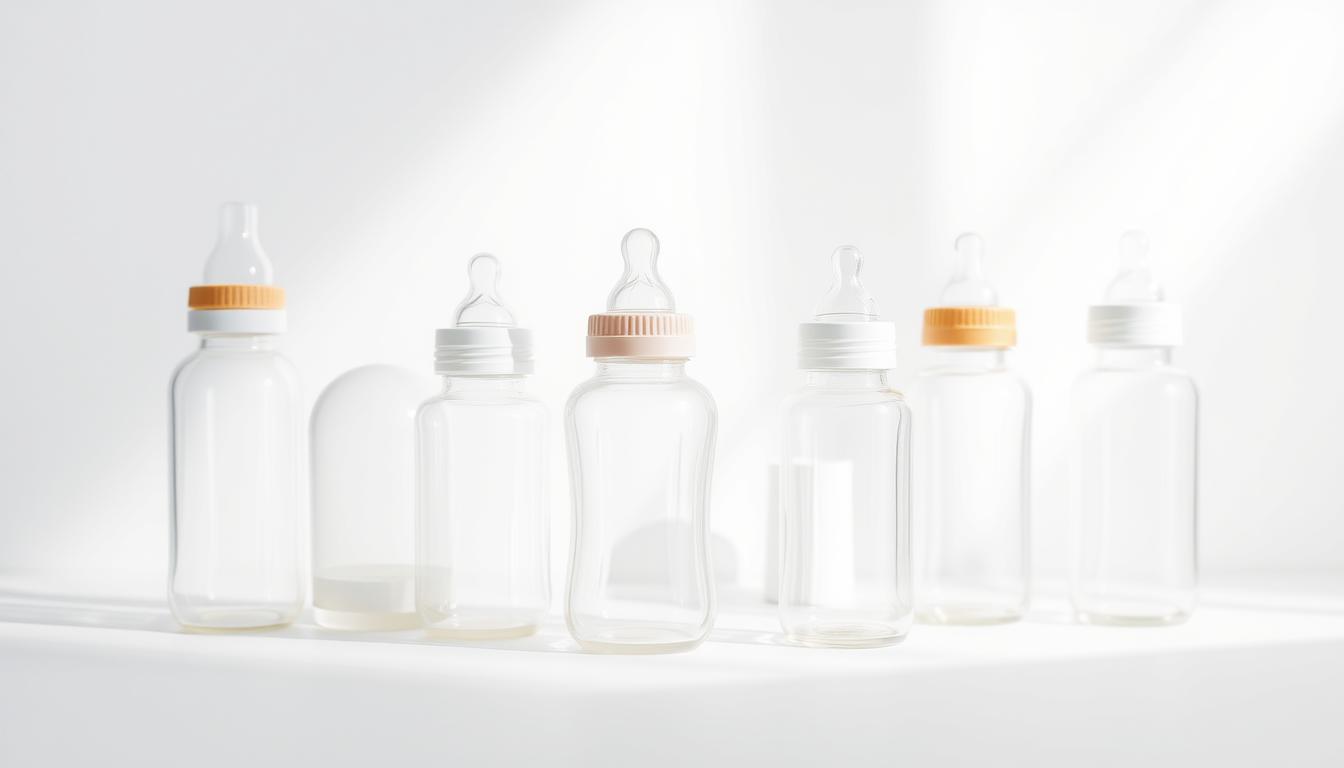
Unlike plastic bottles, glass bottles are free from harmful chemicals like BPA and phthalates, ensuring a safe feeding experience for your baby. Moreover, glass bottles are durable, easy to clean, and can be sterilized, making them an ideal choice for parents seeking a reliable and healthy feeding solution.
Key Takeaways
- Glass baby bottles are a safer alternative to plastic ones.
- They are free from harmful chemicals like BPA and phthalates.
- Glass bottles are durable and easy to clean.
- They can be sterilized for a healthy feeding experience.
- Eco-friendly baby bottles are a sustainable option for parents.
Why Choose Glass Baby Bottles
In the world of baby products, glass baby bottles stand out for their numerous health and environmental benefits. As parents become more aware of the materials their babies are exposed to, the demand for safer, more sustainable options has grown. Glass baby bottles offer a compelling alternative to traditional plastic bottles, providing advantages that benefit both baby and planet.
Health Benefits of Glass Over Plastic
Glass baby bottles are made from natural, non-toxic materials that don’t contain harmful chemicals like BPA, phthalates, or PVC, which are often found in plastic bottles. This means that glass bottles don’t leach chemicals into the formula or breast milk, ensuring a safer feeding experience for your baby. Additionally, glass is non-porous, so it doesn’t harbor bacteria or retain odors, making it a healthier choice.
The key health benefits of glass baby bottles include:
- Safety from chemical leaching
- Easy to clean and sterilize
- Non-porous and resistant to bacterial growth
Environmental Impact Considerations
Glass baby bottles are also an eco-friendly choice, offering several environmental benefits over their plastic counterparts. Glass is made from abundant natural resources like sand and is 100% recyclable, reducing waste and the demand for raw materials. Moreover, glass production, while energy-intensive, can be done in a way that minimizes environmental impact when managed sustainably.
Some key environmental benefits of choosing glass baby bottles include:
- Reduced plastic waste
- Lower risk of microplastics
- Potential for recycling and reusing
By choosing glass baby bottles, parents can contribute to a more sustainable future while ensuring their baby’s health and safety.
Understanding Different Types of Glass Baby Bottles
When it comes to glass baby bottles, parents can choose from several types, each with its unique features and benefits. The variety can be overwhelming, but understanding the differences can help parents make an informed decision.
Standard Glass Bottles
Standard glass bottles are made from high-quality glass and are designed for simplicity and ease of use. They are often free from BPA and other harmful chemicals, making them a safe choice for feeding babies. These bottles are typically straightforward in design, with a focus on functionality.
Silicone-Coated Glass Bottles
Silicone-coated glass bottles offer an additional layer of protection against breakage. The silicone coating can help absorb shocks and reduce the risk of shattering if the bottle is dropped. This feature makes them an attractive option for parents concerned about the durability of standard glass bottles.
Tempered Glass Options
Tempered glass baby bottles are made by heat-treating the glass to increase its strength and durability. These bottles are designed to be more resistant to thermal shock and are less likely to break than standard glass bottles. Tempered glass options are ideal for parents seeking a safe and long-lasting feeding solution.
| Type of Glass Bottle | Key Features | Benefits |
|---|---|---|
| Standard Glass | Simple design, BPA-free | Safe, easy to clean |
| Silicone-Coated Glass | Shock-absorbing silicone coating | Enhanced durability, reduced breakage risk |
| Tempered Glass | Heat-treated for increased strength | Resistant to thermal shock, long-lasting |
Key Features to Look for in Glass Baby Bottles
When selecting glass baby bottles, several key features can significantly impact your baby’s feeding experience. One of the primary considerations is the presence of an anti-colic system, which is designed to reduce the intake of air during feeding.
Anti-Colic Systems
Anti-colic baby bottles are engineered to minimize the ingestion of air, thereby reducing the likelihood of colic symptoms in infants. These systems often involve internal vents or tubes that ensure a smoother flow of milk or formula. Dr. Brown’s is a well-known brand that incorporates advanced anti-colic technology in their glass baby bottles.
Nipple Types and Flow Rates
The type of nipple and its flow rate are crucial for a baby’s feeding comfort. Different nipple types cater to various feeding styles, and some are designed to mimic the natural flow of breastfeeding. Nipple types range from standard to orthodontic designs, while flow rates vary from slow to fast, accommodating the baby’s age and preference. For instance, Philips Avent offers a range of nipple types suitable for different ages and feeding needs.
Ergonomic Designs
Ergonomic baby bottles are designed to fit comfortably in a parent’s hand, making feeding sessions more manageable. These designs often feature contoured shapes that allow for a secure grip and reduce strain during feeding. An ergonomic design can also facilitate a more natural feeding position for the baby, enhancing overall feeding efficiency. Brands like Evenflo have developed ergonomic glass baby bottles that are both functional and comfortable to hold.
In conclusion, when choosing glass baby bottles, it’s essential to consider features like anti-colic systems, appropriate nipple types and flow rates, and ergonomic designs to ensure a comfortable and efficient feeding experience for your baby.
Best Glass Baby Bottles on the Market Today
When it comes to choosing the best glass baby bottles, several top brands stand out for their quality and safety features. Parents are increasingly looking for alternatives to plastic baby bottles, and glass options have become a popular choice due to their durability and non-toxic nature.

Dr. Brown’s Natural Flow Glass Bottles
Dr. Brown’s Natural Flow Glass Bottles are designed to preserve the natural nutrients in breast milk and formula. They feature an internal vent system that reduces colic and gas.
Key Features and Benefits
The bottles have a unique vent system that helps to reduce colic and gas, making them an excellent choice for babies with sensitive stomachs. They are also made from high-quality borosilicate glass, ensuring durability and resistance to thermal shock.
Best For
These bottles are suitable for newborns and older babies alike, particularly those who suffer from colic or gas issues.
Philips Avent Natural Glass Baby Bottle
The Philips Avent Natural Glass Baby Bottle is designed to provide a natural feeding experience. It features a wide, breast-shaped nipple that promotes a natural latch.
Key Features and Benefits
The bottle’s wide, breast-shaped nipple allows for a natural latch, making it easier for babies to transition between breast and bottle feeding. The bottle is made from durable borosilicate glass, ensuring it withstands daily use.
Best For
This bottle is ideal for mothers who are breastfeeding and want a bottle that mimics the natural feeding experience.
Evenflo Feeding Classic Glass Twist Bottles
Evenflo Feeding Classic Glass Twist Bottles offer a simple, straightforward design. They feature a twist-on assembly for easy cleaning and are made from high-quality glass.
Key Features and Benefits
The twist-on assembly makes these bottles easy to clean and assemble, reducing the risk of leakage. They are also dishwasher and sterilizer safe, making maintenance convenient.
Best For
These bottles are suitable for parents looking for a straightforward, easy-to-use glass bottle option.
Lifefactory Glass Baby Bottles
Lifefactory Glass Baby Bottles are known for their silicone sleeve protection, which helps prevent breakage. They are made from borosilicate glass and feature a simple, easy-to-clean design.
Key Features and Benefits
The silicone sleeve provides protection against drops and breaks, making these bottles a great option for parents concerned about durability. The bottles are also easy to clean due to their simple design.
Best For
Lifefactory bottles are ideal for parents who want the added protection of a silicone sleeve and are looking for a durable glass option.
NUK Simply Natural Glass Bottles
NUK Simply Natural Glass Bottles are designed to provide a natural feeding experience. They feature a wide, anti-colic nipple and are made from high-quality glass.
Key Features and Benefits
The anti-colic nipple helps reduce the risk of colic, and the bottle’s ergonomic design makes it comfortable for parents to hold. The bottles are also dishwasher and sterilizer safe.
Best For
These bottles are best for parents seeking a natural feeding experience and looking to reduce the risk of colic in their babies.
How to Choose the Right Glass Bottle for Your Baby
The journey to finding the ideal glass baby bottle involves considering several crucial factors that directly impact your baby’s feeding experience. Choosing the right glass baby bottle is not just about picking a product; it’s about understanding your baby’s unique needs and preferences.
Assessing Your Baby’s Age and Feeding Style
When choosing glass baby bottles, it’s essential to consider your baby’s age and feeding style. Newborns require bottles with slow flow rates to prevent overwhelming them, while older babies might need faster flow rates. Assessing your baby’s feeding style, whether they are breastfed, formula-fed, or a combination of both, also plays a crucial role in selecting the right bottle.
For instance, if your baby is prone to colic, you might want to look for bottles with anti-colic systems. Understanding these needs helps narrow down the options and makes the selection process more manageable.
Matching Bottle Features to Baby’s Needs
Different glass baby bottles come with various features such as anti-colic vents, different nipple types, and ergonomic designs. Matching these features to your baby’s specific needs is vital. For example, if your baby has trouble latching, a bottle with a wide-neck design might be beneficial.
Additionally, considering the material and construction of the bottle, such as whether it’s tempered or silicone-coated, can provide insights into its durability and safety. By aligning the bottle features with your baby’s requirements, you can ensure a comfortable and safe feeding experience.
Safety Considerations for Glass Baby Bottles
Ensuring the safety of glass baby bottles is vital for the well-being of your baby. While glass bottles are considered a safer alternative to plastic, there are several safety considerations that parents should be aware of to prevent accidents and ensure a safe feeding experience.

Drop Protection Options
One of the primary concerns with glass baby bottles is the risk of breakage if dropped. To mitigate this, many manufacturers offer silicone sleeves or coatings that provide a protective layer around the glass. These coatings not only help prevent shattering but also make the bottle easier to grip, reducing the likelihood of drops. When selecting a glass baby bottle, look for options with drop protection features to enhance safety.
Temperature Resistance
Glass baby bottles are generally more resistant to temperature changes than plastic bottles, but extreme temperature shifts can still cause them to break. It’s essential to check the manufacturer’s guidelines for temperature resistance. Some glass bottles are designed to withstand sterilization and freezing, while others may not be. Understanding these limits can help prevent accidental breakage.
Avoiding Common Safety Hazards
To ensure the safe use of glass baby bottles, parents should be aware of common safety hazards. This includes checking for any signs of wear or damage before each use, ensuring that the bottle is properly assembled, and following the manufacturer’s instructions for sterilization and cleaning. By being mindful of these factors, parents can significantly reduce the risk of accidents associated with glass baby bottles.
Step-by-Step Guide to Sterilizing Glass Baby Bottles
Sterilizing glass baby bottles is a crucial step in maintaining your baby’s health and hygiene. Proper sterilization ensures that your baby’s feeding equipment is free from harmful bacteria and germs. In this section, we will explore three effective methods for sterilizing glass baby bottles: boiling, steam sterilization, and dishwasher sterilization.
Boiling Method
The boiling method is one of the most traditional and effective ways to sterilize glass baby bottles. It involves submerging the bottles in boiling water to kill any bacteria present.
Required Materials
- A large pot with a lid
- Water
- Glass baby bottles
Step-by-Step Process
- Fill the large pot with enough water to cover the glass baby bottles.
- Bring the water to a boil.
- Submerge the glass baby bottles in the boiling water.
- Boil for 5-10 minutes.
- Remove the bottles with clean tongs and let them air dry.
Steam Sterilizer Method
Using a steam sterilizer is another efficient method for sterilizing glass baby bottles. This method uses steam to kill bacteria and is generally quicker than boiling.
Required Materials
- A steam sterilizer
- Glass baby bottles
Step-by-Step Process
- Place the glass baby bottles in the steam sterilizer.
- Add the recommended amount of water to the sterilizer.
- Run the sterilization cycle according to the manufacturer’s instructions.
- Let the bottles cool before handling.
Dishwasher Sterilization
If you have a dishwasher with a sterilization cycle, you can use it to sterilize your glass baby bottles. This method is convenient and effective.
Required Materials
- A dishwasher with a sterilization cycle
- Glass baby bottles
Step-by-Step Process
- Place the glass baby bottles on the top rack of the dishwasher.
- Run the dishwasher on the sterilization cycle.
- Ensure the cycle reaches a temperature of at least 180°F (82°C).
- Let the bottles cool before removing them.
Regardless of the method you choose, it’s essential to sterilize your baby’s glass bottles regularly, especially after each use, to maintain hygiene and prevent the growth of harmful bacteria.
| Sterilization Method | Required Time | Equipment Needed |
|---|---|---|
| Boiling | 5-10 minutes | Large pot, water |
| Steam Sterilizer | Varies by device | Steam sterilizer |
| Dishwasher Sterilization | Varies by dishwasher | Dishwasher with sterilization cycle |
How to Properly Clean and Maintain Glass Bottles
Maintaining the cleanliness of glass baby bottles is crucial for your baby’s health and safety. Regular cleaning and proper maintenance not only ensure the longevity of the bottles but also prevent the growth of harmful bacteria. In this section, we will discuss the best practices for daily cleaning and how to deal with stubborn residue.
Daily Cleaning Routine
A daily cleaning routine is essential for keeping glass baby bottles hygienic. After each use, disassemble the bottle and wash it with warm, soapy water. Use a soft-bristled brush to clean the nipple and other parts thoroughly. Rinse all components with clean water to remove any soap residue. “Cleaning your baby’s bottles daily is a habit that can significantly reduce the risk of bacterial contamination,” says a pediatrician. It’s also recommended to sanitize the bottles at least once a day by boiling them in water for 5-10 minutes or using a steam sterilizer.
Dealing with Stubborn Residue
Sometimes, despite regular cleaning, stubborn residue can form on the glass baby bottles. To remove this, you can soak the bottles in a mixture of equal parts water and white vinegar for about an hour. After soaking, scrub the bottles gently with a soft brush and then wash them with soapy water. For particularly stubborn stains, a mixture of baking soda and water can be used as a gentle abrasive cleaner. It’s important to rinse the bottles thoroughly after cleaning to remove any residue from the cleaning agents.
By following these simple steps, you can keep your glass baby bottles clean and in good condition, ensuring your baby’s health and safety.
Transitioning from Plastic to Glass Bottles
Transitioning your baby from plastic to glass bottles can be a straightforward process with the right guidance. As parents become more aware of the benefits of glass over plastic, many are making the switch to ensure a healthier and more sustainable feeding routine for their babies.
How to Introduce Glass Bottles to Your Baby
Introducing glass bottles to your baby should be done gradually. Start by replacing one plastic bottle with a glass one during a single feeding session. Monitor your baby’s reaction and adjust the transition pace as needed. It’s also helpful to choose a glass bottle with a nipple similar to the one your baby is used to, making the transition smoother.
Tips for Managing the Weight Difference
One of the main differences parents notice when switching to glass bottles is the weight. Glass bottles are generally heavier than their plastic counterparts. To manage this, consider starting with smaller glass bottles or those with silicone sleeves, which can make them easier to handle. Additionally, practicing holding the bottle with both hands and demonstrating to your baby how to securely hold it can be helpful.
| Tips for Transitioning | Benefits |
|---|---|
| Start with one glass bottle | Gradual transition |
| Choose similar nipples | Eases the transition |
| Use smaller glass bottles initially | Reduces the weight difference impact |
Comparing Costs: Glass vs. Plastic Baby Bottles
When it comes to choosing baby bottles, one crucial factor to consider is the cost comparison between glass and plastic options. Parents often find themselves weighing the initial costs against the long-term benefits of each material.
Initial Investment Analysis
The initial investment in glass baby bottles is typically higher than that of plastic bottles. Glass bottles are often more expensive due to the material and manufacturing process. For instance, a single glass baby bottle can cost anywhere from $10 to $20, whereas plastic bottles can range from $5 to $10. However, it’s essential to consider the quality and durability associated with the higher initial cost of glass bottles.

| Bottle Type | Average Cost per Unit | Durability |
|---|---|---|
| Glass Baby Bottles | $15 | High |
| Plastic Baby Bottles | $7 | Medium |
Long-Term Cost Benefits
While glass baby bottles require a higher initial investment, they offer significant long-term cost benefits. Glass bottles are durable and can be reused multiple times, reducing the need for frequent replacements. Additionally, many parents find that their babies are less likely to outgrow glass bottles quickly due to their comfort and compatibility with various nipple sizes. Over time, the cost per use of glass bottles can be lower than that of plastic bottles, which may need to be replaced more often due to wear and tear or safety concerns.
In conclusion, while the initial cost of glass baby bottles may be higher, their durability and reusability provide long-term cost benefits that make them a worthwhile investment for many parents.
How to Travel Safely with Glass Baby Bottles
Taking glass baby bottles on the go demands attention to detail and the right protective measures. While glass bottles are a healthier option for babies, they do require extra care when traveling.
Selecting Protective Cases and Sleeves
The first step in safely traveling with glass baby bottles is to invest in a good protective case or sleeve. These are designed to absorb shocks and protect the bottle from impacts. When selecting a case, look for one that is specifically designed for glass baby bottles and has a snug fit to prevent the bottle from moving around.
Some popular options include silicone sleeves that provide a cushioning effect and hard-shell cases that offer robust protection. Ensure that the case you choose is durable and easy to clean.
Packing Tips for Safe Transport
Once you have the right protective case, it’s time to think about how to pack your glass baby bottles for travel. Here are a few packing tips to keep in mind:
- Wrap each bottle individually in a soft cloth or bubble wrap to add an extra layer of protection.
- Place the wrapped bottles in a dedicated compartment of your luggage or diaper bag to prevent them from being jostled around.
- Consider using a small, padded bag specifically for carrying glass bottles to keep them organized and protected.
By following these tips, you can enjoy the benefits of glass baby bottles even when you’re on the go, without the worry of breakage.
Addressing Common Concerns About Glass Baby Bottles
While glass baby bottles offer numerous benefits, there are concerns that need to be addressed. Parents often worry about the weight, durability, and compatibility of these bottles. Understanding these concerns can help parents make informed decisions about their baby’s feeding needs.
Managing Weight Issues
One of the primary concerns about glass baby bottles is their weight. Glass bottles are generally heavier than their plastic counterparts, which can be a challenge for younger parents or those with smaller hands. To manage this, many brands now offer ergonomic designs that make it easier to hold and maneuver the bottles. For instance, some bottles have contoured shapes that fit comfortably in the hand, reducing strain during feeding.
Preventing Breakage Risks
Another significant concern is the risk of breakage. While glass bottles can break if dropped, many manufacturers now offer silicone-coated or tempered glass options that are more resistant to shattering. These protective measures significantly reduce the risk of breakage, making glass bottles a safer choice for daily use. Additionally, using a protective sleeve or case can further minimize this risk.
Ensuring Compatibility with Bottle Warmers
Parents also worry about whether glass baby bottles are compatible with bottle warmers. The good news is that most glass bottles are designed to be compatible with standard bottle warmers. It’s essential to check the manufacturer’s guidelines to ensure compatibility. Some bottle warmers are specifically designed for glass bottles, offering a safe and efficient way to warm the contents without causing damage.
How to Transition from Bottle to Cup
Knowing when and how to transition your baby from a bottle to a cup can make this process smoother and less stressful for both of you. This transition is a significant developmental milestone that not only aids in the baby’s growth but also helps in reducing the risk of dental problems associated with prolonged bottle use.
Recognizing Age-Appropriate Transition Signs
The ideal time to start transitioning your baby from a bottle to a cup varies, but most pediatricians agree that between 12 and 18 months is a good age range. Signs that your baby is ready include showing interest in drinking from a cup, being able to sit up with support, and having the necessary hand-mouth coordination. Observing these signs is crucial as it indicates your baby’s readiness to adapt to a new feeding method.
Recommended Glass Sippy Cup Options
When choosing a sippy cup, opting for glass is a healthy and sustainable choice. Here are some recommended glass sippy cup options:
| Brand | Features | Age Recommendation |
|---|---|---|
| Lifefactory | Non-toxic, BPA-free, silicone sleeve for protection | 6 months+ |
| NUK | Soft spout, easy-grip design, dishwasher safe | 6 months+ |
| Bona | Tempered glass, spill-proof, easy to clean | 12 months+ |
Transitioning to a cup is a gradual process that requires patience. Starting with small steps, like letting your baby get used to the cup during meal times, can make the transition smoother.
Expert Recommendations and Pediatrician Advice
Glass baby bottles have garnered significant attention from pediatricians for their safety and health benefits. As parents consider the best options for their infants, expert recommendations provide valuable guidance.
Medical Perspectives on Glass vs. Plastic
Pediatricians often recommend glass baby bottles due to their non-toxic nature and lack of harmful chemicals such as BPA, found in some plastics. Glass bottles are also less likely to harbor bacteria, making them a healthier choice for feeding infants. According to Dr. Jane Smith, a pediatrician at Children’s Hospital, “Glass baby bottles are an excellent option for parents looking to minimize exposure to potentially hazardous materials.”
Addressing Health Concerns
One of the primary health concerns with baby bottles is the potential for chemical leaching into milk or formula. Glass baby bottles eliminate this risk, providing a safe feeding solution. Experts also highlight the importance of proper sterilization and maintenance to prevent bacterial growth. By following proper care guidelines, parents can ensure their glass baby bottles remain safe and effective.
Sustainable Practices: Reusing and Recycling Glass Bottles
Reusing and recycling glass baby bottles is a simple yet effective way to reduce waste and promote sustainability in baby care. As parents become more eco-conscious, adopting these practices can significantly impact the environment.
Creative Ways to Repurpose Old Glass Bottles
Old glass baby bottles can be repurposed in various creative ways, extending their lifecycle and reducing waste. Some ideas include:
- Using them as vases for flowers or as decorative storage containers.
- Converting them into unique candle holders or oil diffusers.
- Utilizing them for storing small items like buttons, safety pins, or beads.
These creative repurposing ideas not only reduce waste but also add a personal touch to home decor.
Proper Recycling Methods
When glass baby bottles are no longer usable, proper recycling is crucial. Here are steps to recycle them:
- Check local recycling guidelines to ensure glass is accepted.
- Clean the bottles thoroughly to remove any residue.
- Remove any non-glass parts, such as nipples or caps.
- Place the bottles in the appropriate recycling bin.
By adopting these sustainable practices, parents can contribute to a more environmentally friendly approach to baby care.
Conclusion
As we conclude our exploration of glass baby bottles, it’s clear that these products offer a compelling alternative to traditional plastic bottles. By choosing glass, parents can ensure a safer, healthier feeding experience for their babies.
Glass baby bottles have been shown to provide numerous benefits, from reducing the risk of chemical contamination to promoting eco-friendly feeding practices. Brands like Dr. Brown’s, Philips Avent, and Lifefactory have developed high-quality glass bottles that cater to different needs and preferences.
When selecting a glass baby bottle, consider factors such as anti-colic systems, nipple types, and ergonomic designs. By doing so, you can create a comfortable and stress-free feeding experience for your baby.
Incorporating safe feeding practices and eco-friendly baby feeding methods into your daily routine can have a lasting impact on your child’s health and the environment. As you’ve learned, glass baby bottles are a great place to start.
FAQ
What are the benefits of using glass baby bottles over plastic ones?
Glass baby bottles are non-toxic, eco-friendly, and durable, making them a safer choice for feeding babies. They are also resistant to scratches and corrosion, ensuring a longer lifespan.
Are glass baby bottles more prone to breakage?
While glass baby bottles can be more fragile than plastic ones, many modern designs incorporate protective features such as silicone sleeves or coatings to minimize the risk of breakage.
How do I sterilize glass baby bottles?
Glass baby bottles can be sterilized using various methods, including boiling, steam sterilization, or dishwasher sterilization. It’s essential to follow the manufacturer’s guidelines for the recommended sterilization method.
Can I use glass baby bottles for newborns?
Yes, glass baby bottles are suitable for newborns. However, it’s crucial to choose a bottle with a nipple designed for newborns, and to follow proper cleaning and sterilization procedures.
How do I clean stubborn residue from glass baby bottles?
To clean stubborn residue, mix baking soda and water to form a paste, and apply it to the affected area. Let it sit for a while before rinsing thoroughly with warm water.
Are glass baby bottles compatible with bottle warmers?
Most glass baby bottles are compatible with bottle warmers, but it’s essential to check the manufacturer’s guidelines to ensure compatibility and safe usage.
Can I travel with glass baby bottles?
Yes, you can travel with glass baby bottles. To ensure safe transport, use protective cases or sleeves, and pack the bottles carefully to prevent breakage.
How do I transition my baby from a bottle to a cup?
To transition your baby from a bottle to a cup, start by introducing a cup at mealtimes, and gradually increase the frequency of cup use while decreasing bottle feeding.
What are some eco-friendly ways to repurpose old glass baby bottles?
Old glass baby bottles can be repurposed as vases, pen holders, or storage containers. You can also reuse them for storing food or other household items.
How do I properly recycle glass baby bottles?
To recycle glass baby bottles, check with your local recycling program to see if they accept glass bottles. Remove any non-glass components, such as nipples or lids, and rinse the bottles before recycling.